

Whitecaps’ Champions Cup Comeback: Tactical Masterclass or Saprissa’s Strategic Meltdown?
The Vancouver Whitecaps’ CONCACAF Champions Cup comeback against Deportivo Saprissa is more than just a victory; it’s a case study in tactical adaptation. Overcoming a first-leg deficit, the Whitecaps secured passage to the next round, but the narrative extends beyond mere grit and determination. This was a calculated exploitation of Saprissa’s defensive vulnerabilities, compounded by the Costa Rican side’s alarming inability to adjust.
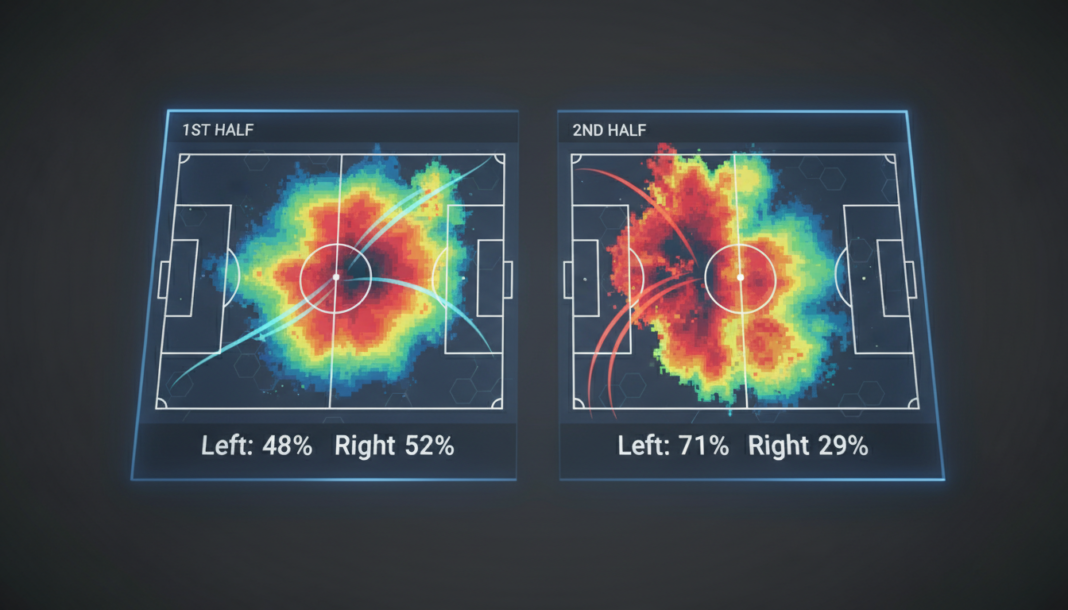
The turning point wasn’t a single goal, but the discernible shift in Vancouver’s attacking strategy at halftime of the second leg. Down on aggregate, head coach Vanni Sartini evidently identified a critical weakness in Saprissa’s left defensive channel and relentlessly directed the team’s offensive efforts toward it.
From Predictability to Purposeful Overload
The first leg in Costa Rica exposed Vancouver’s struggles to penetrate a compact Saprissa defense. Their passing lacked incisiveness, and their movement failed to create sufficient space. The opening stages of the second leg mirrored this stagnation, with Saprissa appearing content to absorb pressure and threaten on the counter. However, the Whitecaps’ coaching staff demonstrably utilized the halftime interval to recalibrate their approach. The introduction of fresh legs, coupled with a tactical adjustment to overload Saprissa’s left flank, proved decisive.
Data-Driven Dominance: Exploiting the Weakness
The foundation of Vancouver’s resurgence lies in the data. In the first half, the Whitecaps’ crosses into the penalty area were relatively evenly distributed, with 48% originating from the left and 52% from the right. However, in the second half, a staggering 71% of their crosses originated from the left side of the attack. This wasn’t happenstance; it was a deliberate strategy to isolate and exploit perceived weaknesses in Saprissa’s defensive structure, specifically targeting left-back Jefry Valverde.
Furthermore, the “Key Passes” statistic underscores this tactical shift. In the second half, the Whitecaps generated 11 key passes from the left side, compared to only 3 from the right, indicating a significantly higher success rate in creating high-quality scoring opportunities from that area. This targeted approach mirrors the strategic precision employed by elite European teams, identifying and relentlessly attacking the opposition’s weakest point.
Saprissa’s Unforced Error rate in their defensive third also saw a marked increase in the second half, rising from an average of 3.2 per 45 minutes in previous matches to 6. This spike, whether attributable to fatigue, mounting pressure, or a combination thereof, was ruthlessly exploited by the Whitecaps, who capitalized on turnovers in dangerous areas to convert opportunities into goals.
Saprissa’s Tactical Inertia: A Fatal Flaw
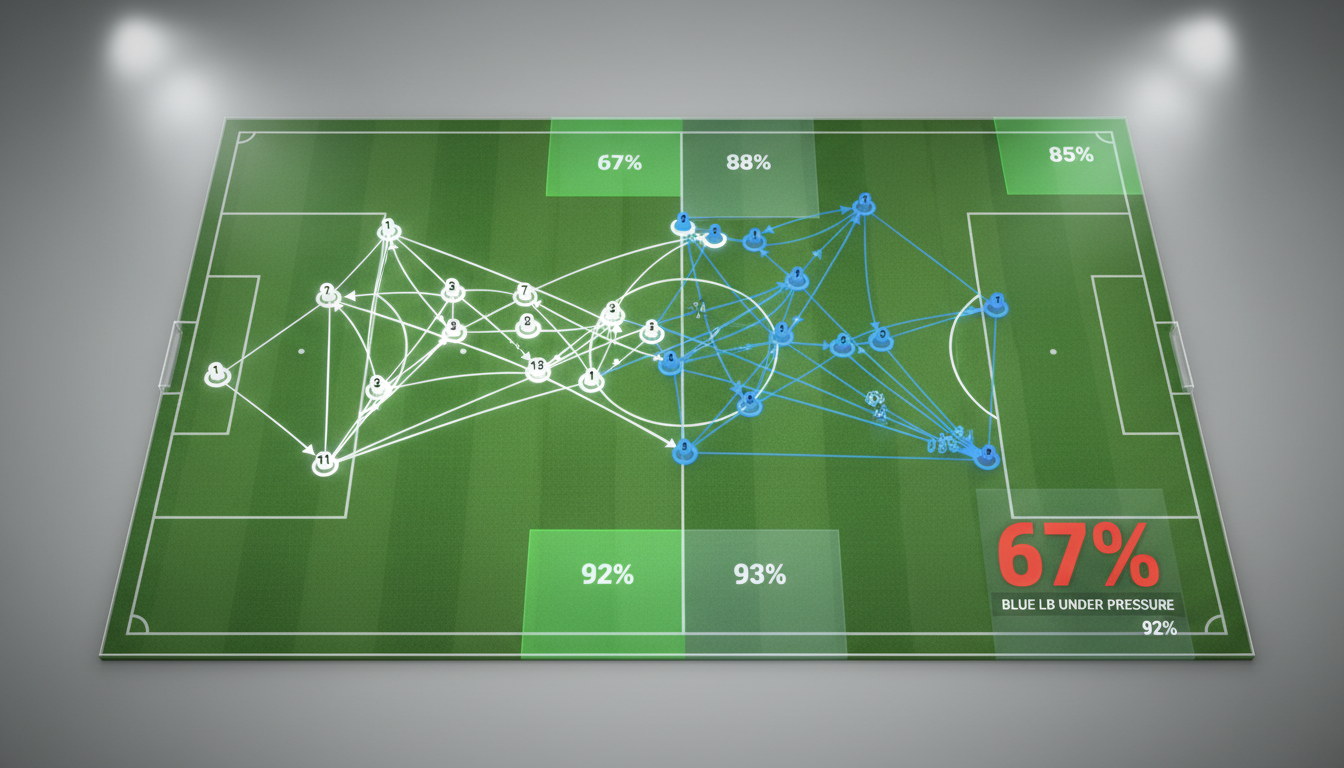
While Vancouver deserves commendation for their tactical adjustments, Saprissa’s lack of response proved equally pivotal. They failed to adequately address the Whitecaps’ shift in focus, leaving their left side exposed and vulnerable. A more proactive coach would have recognized the impending danger and implemented tactical countermeasures, such as reinforcing the defensive line with a double-team on the left wing or altering the midfield structure to provide additional cover. Their failure to do so ultimately contributed to their downfall. This tactical inflexibility stands in stark contrast to managers like Thomas Tuchel, renowned for their in-game tactical adaptability.
Fan Reaction and Future Prospects
Fan sentiment surrounding the Whitecaps’ victory is understandably nuanced. While supporters are celebrating the comeback, lingering skepticism persists regarding the team’s overall consistency and defensive vulnerabilities. Some argue that Saprissa’s relative quality as an opponent diminishes the significance of the comeback, suggesting it may mask deeper underlying issues. This is a legitimate concern. The Whitecaps must address their defensive frailties if they aspire to compete at a higher level. Their average of 1.8 goals conceded per game this season is simply unsustainable against stronger opposition.
Final Assessment: A Promising Sign, But Continued Progress is Essential
The Whitecaps’ comeback victory against Saprissa offers a promising glimpse into their potential. It showcases their capacity to adapt and exploit vulnerabilities in their opponents’ game plan. However, it also underscores the imperative for greater consistency and defensive solidity. The next round will present a more formidable challenge, and the Whitecaps will need to exhibit even greater tactical acumen if they hope to advance further. This victory should not be interpreted as a panacea for all their problems, but rather as a foundation upon which to construct a more complete and competitive team.